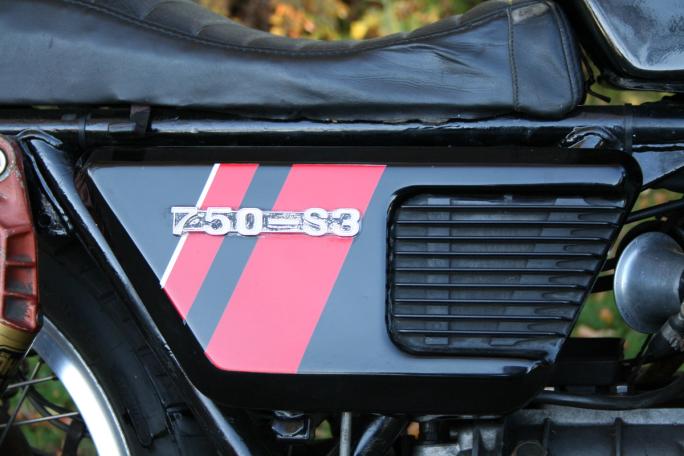
Moto Guzzi 750-S3
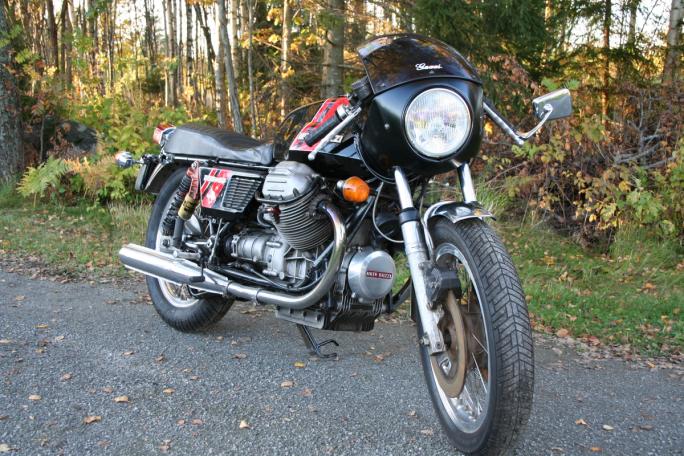
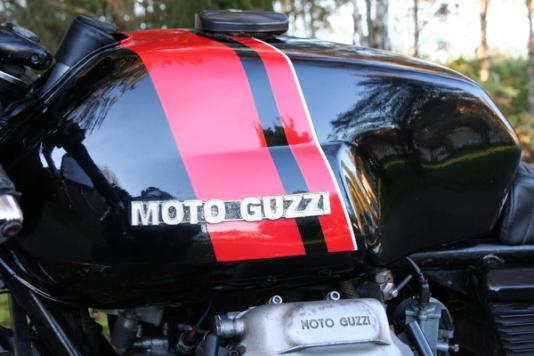
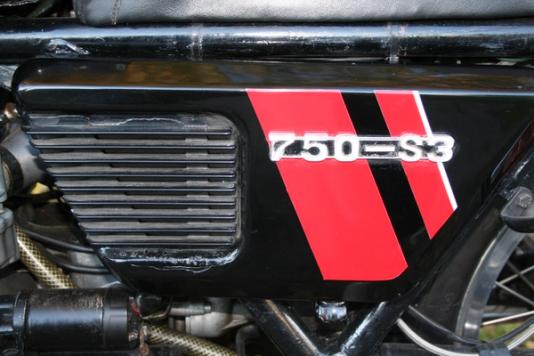
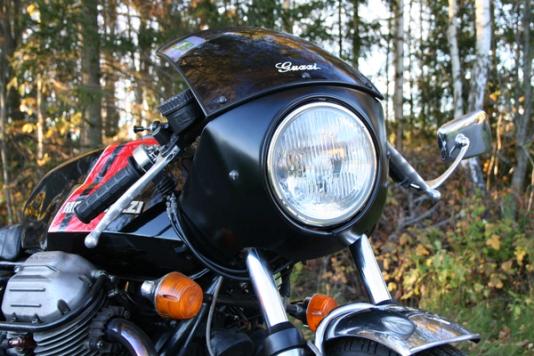
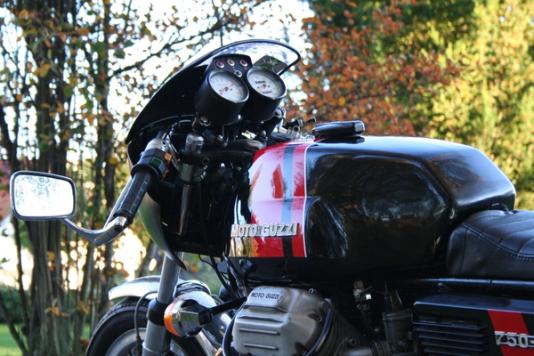
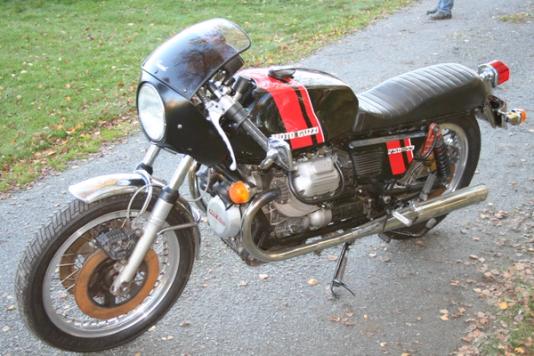
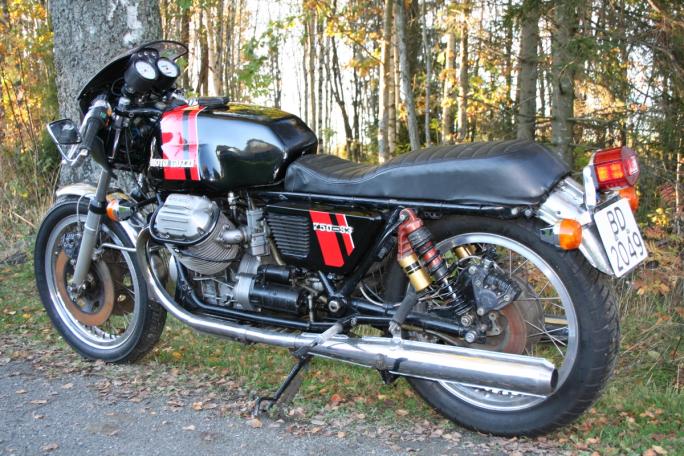
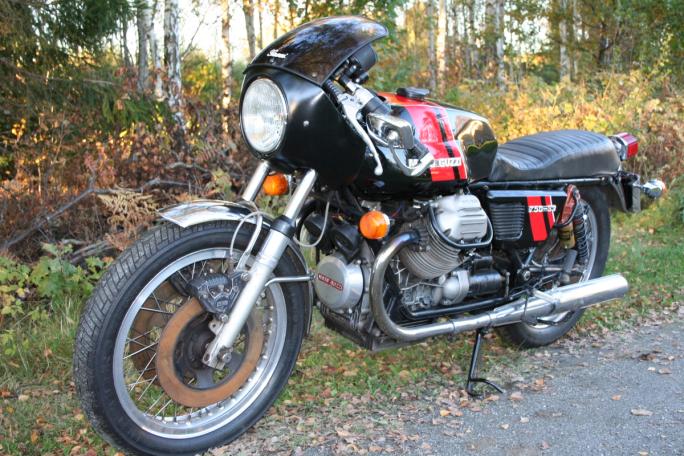
At the beginning of the 1970s, Moto-Guzzi began producing a range of sports machines, and the V7-Sport set the tone. The brains behind the new generation of Guzzi motorcycles were none other than the legendary Lino Tonti. The new machines were long, low, and sleek, like this 750-S3, and led to the legendary Le Mans series.
0/0
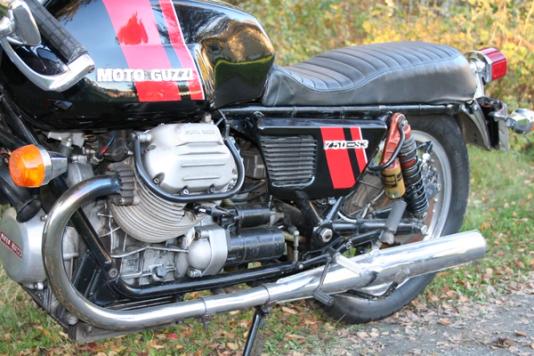
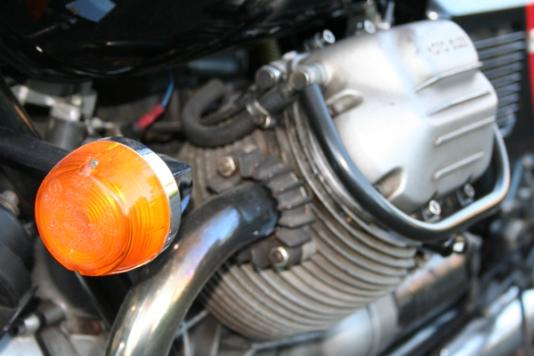
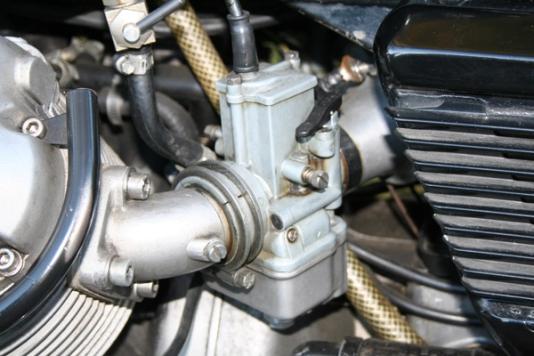
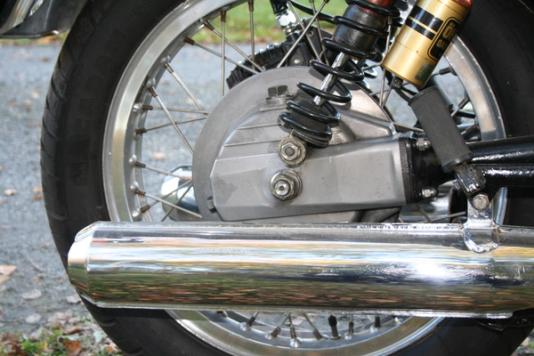
To the insider, names like Le Mans, V7-Sport and 750-S3 sound like sweet music. However, you don't have to be a connoisseur of Moto Guzzi to understand which segment these bikes fall into. A glance lasts a long time, we are talking about sports machines. Guzzi's 70s street racers stood out in the crowd of motorcycles, with their long, low and narrow lines. The most striking feature, however, was the transverse V-engine that sent power to the rear wheel via the cardan shaft. This technical solution became Moto Guzzi's trademark.
From V7-Sport to 750-S3
Moto Guzzi's first pure street racer is undoubtedly the V7-Sport model, which went on sale in 1972. Compared to previous Guzzi models, the V7-Sport appears much sleeker, and the slightly side-swept design that had characterized many of the models was replaced by narrow fenders, small side covers and profiled aluminum rims. The low handlebars emphasized the bike's sporty character, and together with the gas tank and flat seat, a low line ran all the way. The exhaust system was also characterized by horizontal lines, which reinforced the low lines. In sum, this gave the model a very low center of gravity, which together with the long wheelbase and the powerful v-twin gave the bike very good handling characteristics. Now the price tag on the V7-Sport was not suitable for the "everyman's" wallet. The first models of the V7-Sport were built by hand in Guzzi's racing department, and the bike was very expensive. Therefore, the riding experience was reserved for a small but affluent group of motorcycle enthusiasts. The V7-Sport was originally intended to have an engine with a displacement of 850 cc. However, this was adjusted down to 748 cc so that the bike could be classified for racing in the Formula 750 class.
Lino Tonti's masterpiece
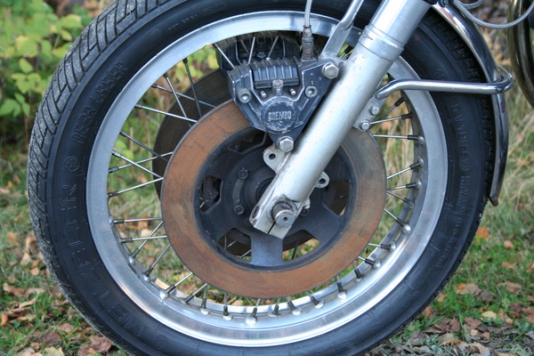
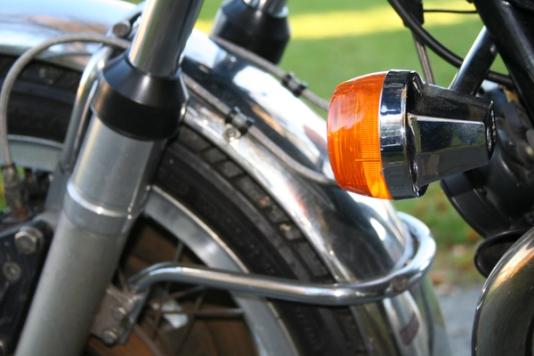
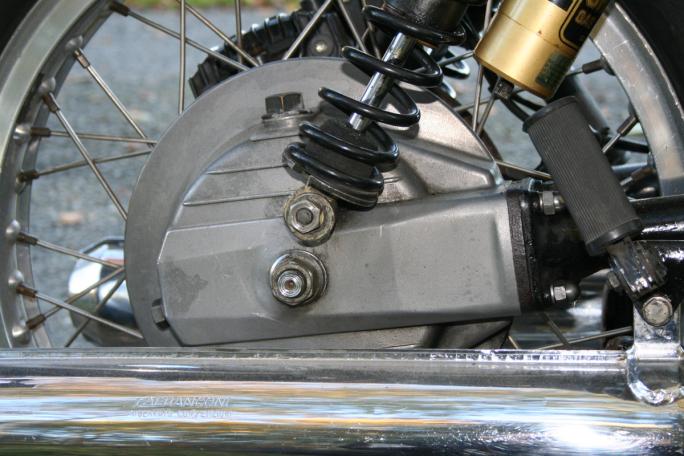
In 1974, the sequel, the 750-S, was released. It used the same frame and front fork as the V7-Sport, but was fitted with dual hydraulic disc brakes at the front. The engine in the 750-S was almost identical to the V7-Sport, but a chain was now used instead of a gear on the valve system. In 1975, an upgraded version of the 750-S was released, specifically the 750-S3. Despite the fact that the S3 was confusingly similar to the S, it had a number of upgrades. The most visible was the rear disc brake, which was also part of the integral brake system. This system distributed the braking force between the front and rear wheels.
Alejandro De Tomaso
If we compare the V7-Sport with the 750-S and 750-S3, it is clear that the latter two have a more angular design. This is no coincidence, and can be attributed to Alejandro De Tomaso who bought Moto Guzzi in 1973. Together with the aeronautical engineer Lino Tonti (1920-2002), he left his mark on the sporty models, precisely by replacing the round, soft lines with a new “line” characterized by straight lines, edges and angles. Moto Guzzi had now gone from being a partially state-owned company to becoming part of the “De Tomaso Industries Inc” group. The commercial success was not long in coming and the bottom line was quite quickly marked by positive numbers. This provided fresh capital for the development of new models. De Tomaso, incidentally, retained ownership of Guzzi until the year 2000. This year, the factory was sold to Aprilia .
Technical data Moto Guzzi 750-S3, 1975 model:
Engine: 2-cylinder 4-stroke, transverse v-twin, OHV
Displacement: 748 cc
Power: 62 hp at 6900 rpm.
No. of gears: 5
Front tires: 3.25 x 18
Rear tires: 3.50 x 18
Tank: 21 liters
Weight: 206 kg (dry)
Top speed: 204 km/h